
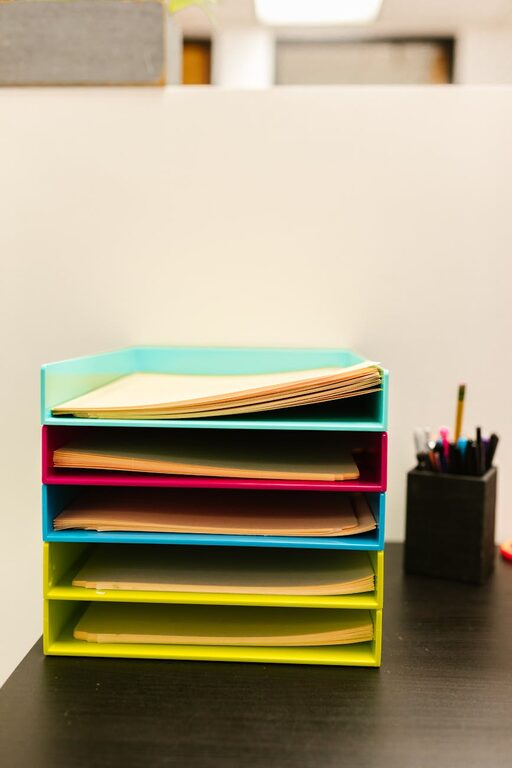
Managing paper clutter can feel overwhelming, but with a few simple habits and systems, you can keep your household papers under control. Paper piles not only take up space but can also create stress and make it difficult to find important documents when you need them. The good news is that reducing paper clutter doesn’t require radical changes or spending a lot of money — just some consistent, simple steps that anyone can apply.
In this post, we’ll explore practical ways to reduce household paper clutter and keep your home organized.
Why Paper Clutter Happens
Before diving into solutions, it helps to understand why paper clutter accumulates:
– Mail and Bills: Daily mail and bills can quickly pile up if not handled right away.
– Receipts and Warranties: Many people keep these “just in case” but rarely refer to them later.
– School Papers and Kids’ Artwork: These items are often sentimental but hard to manage.
– Documents and Manuals: Important papers mixed with manuals and pamphlets can become messy.
– Old Magazines and Flyers: These can take up space but aren’t always discarded.
Knowing the common sources of paper clutter can help you target your efforts effectively.
Set Up a Paper Management Zone
Having a designated area to handle paper can make a big difference. This could be a small section of a kitchen counter, a desk, or a wall organizer.
What to Include in Your Paper Management Zone
– Inbox Tray or Basket: For incoming mail and papers that need sorting.
– Shredder or Recycling Bin Nearby: Makes disposing of unwanted papers quick and easy.
– Folders or Filing System: For documents you need to keep.
– Pen and Notepad: To jot down notes or reminders.
By having a specific spot for paper to live temporarily, you’ll avoid letting it spread throughout the house.
Sort Immediately and Regularly
One of the best habits to reduce paper clutter is sorting as soon as you bring paper into your home.
Steps to Sorting Paper
- **Scan or Handle Mail Right Away:** Sort through mail immediately. Recycle junk mail without opening, and open bills or important letters.
- **Decide What to Keep:** Items such as bills to pay, appointment reminders, or documents needing action.
- **File or Act Repeatedly:** File papers you want to keep, pay bills promptly, and shred sensitive documents you no longer need.
Set aside time weekly or twice a week to go through your inbox and filing system. Regular attention prevents buildup.
Digitize Whenever Possible
Going paperless can significantly cut down on clutter.
– Scan Important Documents: Use a scanner or smartphone app to save bills, receipts, insurance policies, and warranties digitally.
– Store Files in the Cloud: Use services like Google Drive or Dropbox to make your files accessible on multiple devices.
– Opt for E-Bills and Statements: Many companies offer paperless billing options, which reduces incoming mail.
Once digitized, recycle or shred the physical copies unless you need the originals.
Use a Simple, Clear Filing System
A simple filing system helps you keep only the papers you really need.
Tips for Filing
– Use Broad Categories: For example, “Bills,” “Medical,” “Taxes,” “Home,” and “Kids.”
– Label Clearly: Use folders with clearly marked labels.
– Limit to One Folder Per Category: Avoid too many subfolders that become confusing.
– Regularly Purge: Every few months, review files and discard outdated items.
Keeping a streamlined filing system reduces the temptation to keep unnecessary papers “just in case.”
Deal with Kids’ Papers Creatively
Kids’ schoolwork and artwork are often a sentimental source of clutter. It’s hard to throw these items away, but keeping everything isn’t practical.
Ideas to Manage Kids’ Papers
– Create a Display Space: Use a bulletin board or string line to showcase recent artwork temporarily.
– Digitize and Archive: Take photos or scan artwork before recycling originals.
– Limit Physical Storage: Allow each child a designated box or folder for keepsakes.
– Rotate and Refresh: Regularly cycle displayed or stored items to limit volume.
This approach honors memories without overwhelming your space.
Limit Paper Coming In
Preventing paper clutter starts with reducing incoming paper.
– Cancel Unwanted Subscriptions: Magazines or catalogs you no longer read.
– Sign Up for Digital Notices: For bills, bank statements, and official communications.
– Opt Out of Junk Mail: Many services let you reduce junk mail by registering online.
– Be Selective With Flyers: Discard advertising flyers immediately.
Less paper coming in means less to manage.
Manage Receipts Smartly
Receipts are small yet common clutter contributors. Most receipts aren’t needed long term.
Receipt Management Tips
– Decide What to Keep: Keep receipts needed for returns, warranties, or tax purposes.
– Digital Copies: Take photos of receipts on your phone to save space.
– Use a Receipt Organizer: A small envelope or accordion folder can store important receipts temporarily.
– Regularly Purge: Discard receipts once the return period has expired or taxes are filed.
This practice keeps receipts from piling up unnecessarily.
Regularly Recycle and Shred
Paper clutter isn’t just about keeping or not keeping; it’s important to dispose of unneeded papers properly.
– Recycle Paper You Don’t Need: Use your local recycling program.
– Shred Sensitive Documents: Destroy documents with personal information to protect privacy.
– Set a Routine: Make recycling and shredding a regular task, such as monthly or bi-monthly.
Routine disposal prevents buildup and protects sensitive information.
Conclusion
Reducing paper clutter in your home is achievable with simple, consistent steps. By setting up a designated paper management area, sorting immediately, digitizing when possible, and adopting clear filing and disposal habits, your paper piles can be tamed. Remember, the key is regular attention and limiting the amount of paper that enters your household in the first place. With these easy strategies, you can enjoy a tidier, more organized home and less stress over messy paperwork.