
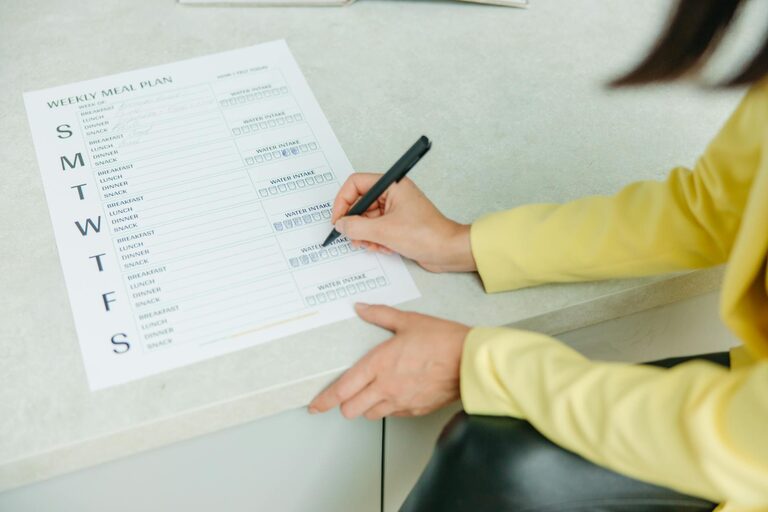
Creating a weekly meal plan can transform the way you approach cooking and eating throughout the week. It reduces last-minute decisions, helps you manage your grocery shopping better, and supports healthier eating habits. If you’re new to meal planning or looking for a simple way to get started, this guide will walk you through the process step-by-step.
Why Create a Weekly Meal Plan?
Before diving into how to make a meal plan, it’s helpful to understand the benefits:
– Saves time: Planning meals ahead lets you shop once, reducing daily trips to the store.
– Reduces stress: Knowing what’s for dinner each night takes pressure off.
– Prevents waste: Buying only what you need cuts food waste and saves money.
– Promotes healthier choices: Planning meals helps you balance nutrition instead of relying on quick fixes.
With these benefits in mind, let’s get started.
Step 1: Assess Your Week Ahead
Begin by considering your schedule:
– How many meals will you need to prepare at home?
– Are there days you’ll be dining out or eating leftovers?
– Do you have any evening activities or events that might affect dinner time?
Knowing this helps you avoid overplanning and keeps your list realistic.
Step 2: Set Your Meal Planning Goals
Decide what you want to achieve, such as:
– Eating more vegetables
– Including more home-cooked meals
– Saving money on takeout
– Trying new recipes
Clear goals will guide your meal selections.
Step 3: Choose Your Recipes
Pick a few simple and favorite recipes. Here are some tips:
– Aim for variety: Use different proteins, grains, and vegetables.
– Keep cooking time in mind: Select quick recipes for busy days.
– Include some make-ahead or freezer-friendly meals to save time.
Example Meal Ideas
– Grilled chicken with quinoa and steamed broccoli
– Spaghetti with marinara and a side salad
– Vegetable stir-fry with tofu and brown rice
– Bean chili that can be reheated easily
– Omelets loaded with veggies for breakfast or dinner
Step 4: Make a Meal Plan Template
On paper or using an app, create a simple grid listing the days of the week and meals (breakfast, lunch, dinner, and snacks if you like). Fill it in with your chosen meals.
You might want to:
– Repeat meals on some days to simplify shopping.
– Plan leftovers as lunches or dinners.
– Include fruits, nuts, or yogurt as snacks.
Step 5: Create a Grocery List
Based on your meal plan, write down all the ingredients needed. Group items by category, such as:
– Vegetables and fruits
– Proteins (meat, beans, tofu)
– Grains (rice, bread, pasta)
– Dairy and alternatives
– Pantry staples (spices, oils)
Check your pantry to avoid buying things you already have.
Step 6: Shop Smart
With your list ready, stick to it while shopping to avoid impulse buys. Buying seasonal produce and store brands can save money. Don’t forget to check for sales and coupons if you use them.
Step 7: Prep Ahead
To make weekdays easier:
– Wash and chop vegetables after shopping.
– Cook grains or proteins in bulk.
– Portion snacks or pack lunches in advance.
Spending an hour or two preparing can shorten daily cooking times considerably.
Additional Tips for Success
– Stay flexible: If plans change, swap meals or keep a backup recipe.
– Use leftovers: Repurpose dinner into lunch or create new dishes.
– Keep meals simple: Don’t feel pressured to cook elaborate dishes every day.
– Involve family members: Get their input to include favorite meals.
– Use technology: Try meal planning apps or digital calendars.
Conclusion
Creating a simple weekly meal plan doesn’t have to be complicated. By assessing your schedule, selecting meals thoughtfully, preparing ahead, and shopping smart, you make cooking less stressful and more enjoyable. Over time, you’ll discover what works best for you and develop a routine that fits your lifestyle.
Start with small steps and enjoy mealtime more with a little planning! Happy cooking!